
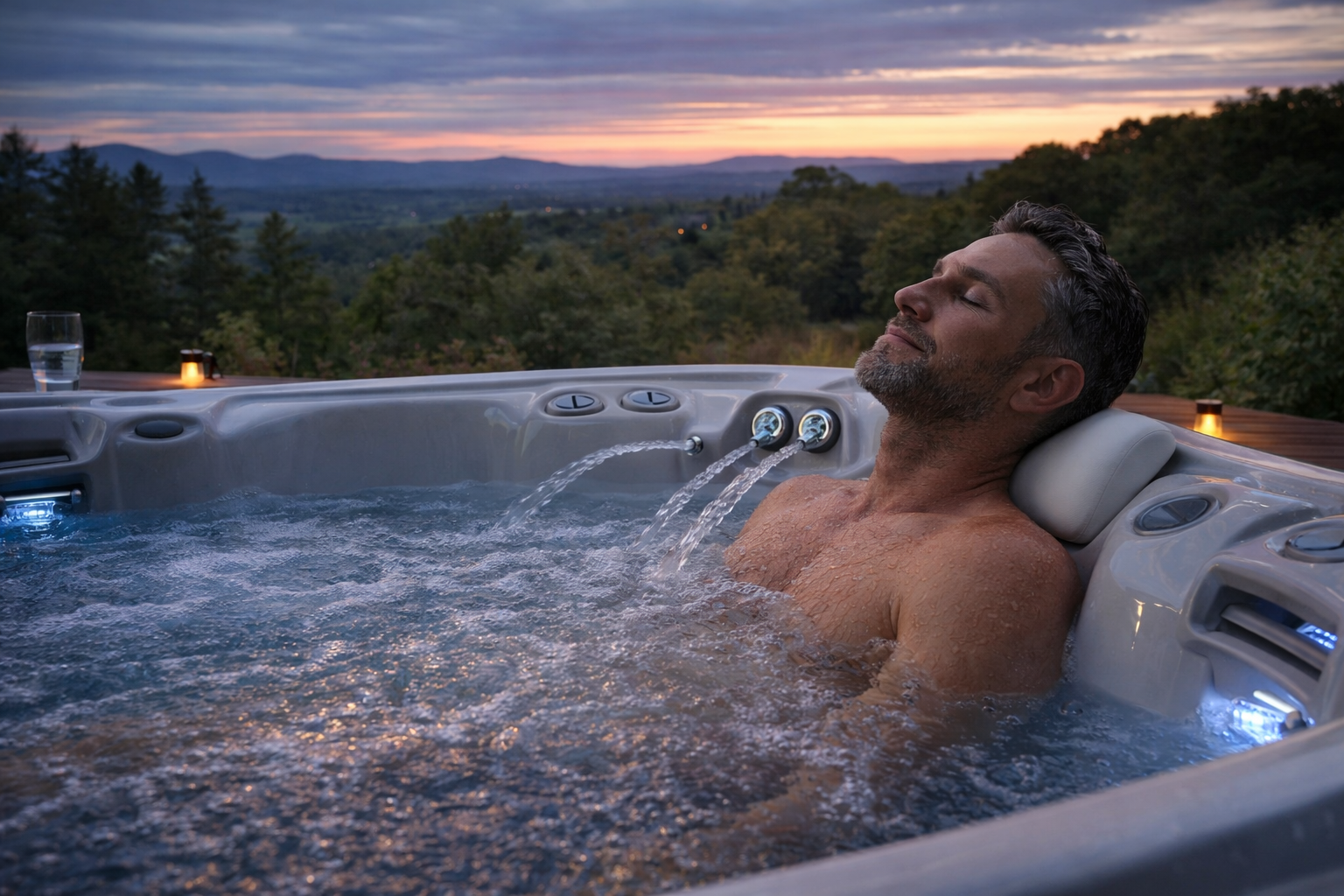
Do Hot Tubs Help With Back Pain? Benefits, Science and How to Use Them Safely
Back pain is one of the most common physical complaints in the UK. Whether it comes from long hours at a desk, intense training, or conditions like sciatica or arthritis, many people look for natural ways to ease discomfort. One question comes up again and again: do hot tubs help with back pain?
The short answer is yes, a hot tub for back pain relief can be highly effective when used correctly. The combination of heat, buoyancy and targeted water jets creates an environment that supports muscle relaxation, improved circulation and reduced pressure on the spine.
Let’s break down how it works and how to get the most benefit.

How Heat Therapy Supports Back Pain Relief
Heat has been used for centuries to relieve muscle tension and joint stiffness. When you sit in a hot tub, warm water surrounds your body and gently raises your tissue temperature.
This can help in several ways:
Increased blood flow
Heat encourages blood vessels to widen, which improves circulation. Better blood flow helps deliver oxygen and nutrients to tight or sore muscles, supporting recovery and easing stiffness.
Muscle relaxation
Warm water helps muscles loosen, which can reduce spasms and tension in the lower back. This is especially helpful if your pain is linked to tight muscles rather than structural injury.
Joint comfort
For people with arthritis or general joint stiffness, warmth can make movement feel easier and less painful. This is one reason hydrotherapy is often used in rehabilitation settings.
Health and wellness publications frequently highlight these benefits. You can read a broader overview of hot tub health benefits here from Healthline:
https://www.healthline.com/health/hot-tub-benefits
Buoyancy: Taking Pressure Off Your Spine
One of the most powerful but overlooked features of a hot tub is buoyancy. When you are submerged in water, your body becomes lighter. This reduced load on your joints and spine can provide noticeable relief.
Reduced spinal compression
Water supports a percentage of your body weight, meaning less pressure on spinal discs and joints. This can be especially helpful for people with disc issues or general lower back strain.
Easier movement
Because you feel lighter, gentle movements and stretches are often more comfortable in a hot tub than on land. This can improve mobility and help prevent stiffness from getting worse.
Safer environment for recovery
Warm water provides support and stability, making it easier to relax without putting extra strain on painful areas.
This is why many people specifically search for hot tubs for back pain rather than just general relaxation.
For more detail on how hydrotherapy can support people with back issues, this guide from WhatSpa is a useful read:
https://www.whatspa.co.uk/hot-tubs-for-back-pain/
Hydrotherapy Jets for Targeted Muscle Relief
Modern hot tubs are designed with adjustable hydrotherapy jets that can be positioned to target specific muscle groups.
Deep muscle massage
Jets directed at the lower back can help loosen tight muscles and reduce that “knotted” feeling that often accompanies back pain.
Myofascial-style pressure
The steady pressure from water jets can mimic massage techniques used in physical therapy, helping relieve tension in surrounding tissues.
Customisable intensity
Most hot tubs allow you to control jet strength, so you can start gently and increase pressure as your body relaxes.
Choosing a model with well-positioned back and lumbar jets can make a big difference if pain relief is a priority. You can explore a range of options here:
https://prolinedirect.co.uk/product-category/home/hot-tubs/
How to Use a Hot Tub for Back Pain Safely
To get the most from a hot tub for muscle recovery and back pain relief, consistency and moderation matter.
Keep sessions to 15–30 minutes
Longer is not always better. Short, regular sessions help relax muscles without overheating.
Aim for regular use
Using a hot tub three to five times per week can help maintain muscle relaxation and flexibility.
Focus on posture
Sit in a position where the jets hit the lower back and keep your spine supported. Avoid slouching, which can increase strain.
Add gentle movement
Slow stretches or controlled movements in the water can help improve mobility while your muscles are warm and relaxed.
If your back pain is severe, persistent or linked to a diagnosed condition, a hot tub should support, not replace, professional medical advice.
A Hot Tub as Part of Your Recovery Routine
While a hot tub is not a cure for underlying spinal problems, it can be a powerful tool for back pain management, relaxation and overall wellbeing. Many people find that regular sessions help them move more freely, sleep better and feel less tense day to day.
When combined with stretching, strengthening exercises and good posture habits, hydrotherapy can play a valuable role in a long-term recovery routine.
If you are considering adding one to your home, you can browse the full range at Proline Direct here:
https://prolinedirect.co.uk/
Final Thoughts
So, do hot tubs help with back pain? For many people, the answer is yes. The combination of heat, buoyancy and targeted hydrotherapy jets creates an ideal environment for relaxing muscles, easing stiffness and taking pressure off the spine.
Used regularly and sensibly, a hot tub can be more than a luxury. It can become a key part of your recovery, relaxation and long-term comfort.