
The idea that saunas “detox” the body has been circulating for years. From social media posts to wellness influencers, sweating is often presented as a shortcut to flushing out toxins. It sounds appealing, but the reality is more nuanced. While sauna use does bring genuine comfort and relaxation benefits, the concept of detoxification is often misunderstood. To understand what saunas truly do, it helps to first look at how the body actually removes waste.
Your body already has a highly efficient detox system in place. The liver and kidneys are the primary organs responsible for filtering and removing unwanted substances. They process waste and by-products continuously, excreting them through urine, bile and natural metabolic pathways. Sweating does occur during heat exposure, but it isn’t the body’s main detox mechanism. The question then becomes whether sauna-induced sweating adds anything meaningful to that natural process.
Sauna use can still play a valuable role in a wellness routine, but it’s important to understand what it realistically supports and what it does not.
What Detoxification Really Means
Detoxification isn’t something that switches on only when you sweat. It’s a constantly active biological process handled mostly by the liver and kidneys. These organs break down metabolic waste, environmental compounds and substances introduced through diet. Once filtered, those substances leave the body primarily through urine and digestion.
Sweat does contain trace amounts of certain compounds, but its primary purpose is temperature regulation, not waste removal. When you sweat, your body is cooling itself, not actively purging stored toxins. This is an important distinction because it shifts how sauna benefits should be realistically viewed.
Where Saunas Fit Into the Detox Conversation
Saunas encourage heat exposure and sweating, which is why they are often connected to detox claims. Some studies have detected very small amounts of compounds in sweat, but the quantities are minimal compared with what the liver and kidneys handle every day. For this reason, most scientists do not consider sweating to be a primary detox route.
That doesn’t mean sauna use is without value. The indirect effects of heat exposure may still support overall bodily function. Improved circulation is one of the most commonly observed responses to sauna use. When blood flow increases, nutrients and oxygen are delivered more efficiently throughout the body, supporting general metabolic activity. Healthline’s guide to sauna use discusses this circulatory response in accessible terms:
https://www.healthline.com/health/how-to-use-a-sauna
Better circulation doesn’t equate to detoxification, but it does support the systems that keep the body functioning efficiently.
Indirect Benefits That Support Natural Processes
While saunas don’t replace the liver and kidneys, they can complement the body’s natural rhythms when used sensibly. Warmth encourages muscle relaxation, reduces general tension and supports post-activity recovery. Many people find that regular sessions help them unwind at the end of the day, which in turn supports better sleep habits.
Stress reduction is also commonly associated with sauna use. Lower stress levels are linked to better overall physiological balance. That balance influences digestion, circulation and metabolic efficiency, all of which play a part in the body’s everyday waste-processing functions.
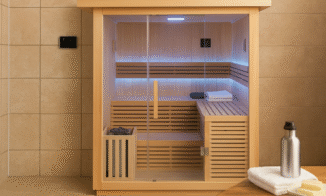
For those looking to create a dedicated heat therapy space at home, the Luxury Steam Traditional Indoor Sauna offers a modern approach to classic sauna design, blending controlled heat with comfort for regular home use:
https://prolinedirect.co.uk/product/luxury-steam-traditional-indoor-sauna/
While the sauna itself isn’t detoxifying the body in a chemical sense, the conditions it creates can support relaxation and consistency in healthy routines.
Why Detox Claims Are Often Overstated
The wellness industry often simplifies complex biological systems into easy-to-sell ideas. Detox is one of the most misunderstood. The body does not normally store toxins that need to be manually “sweated out” through external heat. As long as the liver and kidneys are functioning properly, they handle waste continuously without additional stimulation.
Over-reliance on sauna detox claims can also distract from proven lifestyle habits that genuinely support natural detox pathways. Hydration, balanced nutrition, movement and sleep are the real foundations of internal regulation. Saunas can complement these habits but should not be positioned as a substitute for them.
General sauna safety guidance, such as the practical advice shared in sauna-use rule overviews, also reinforces the importance of moderation and hydration rather than exaggerated claims of detoxification:
https://wanderingcarol.com/how-to-spa/the-9-rules-of-sauna-safety/
Using a Sauna Sensibly
Enjoying a sauna regularly is perfectly reasonable when used within comfortable and sensible limits. Short sessions, typically around fifteen to twenty minutes, are suitable for most people. Hydration before and after heat exposure helps maintain fluid balance, and allowing the body to cool naturally between sessions supports comfort.
Anyone with health concerns, or those who are unsure about their tolerance to heat, should always take a cautious approach and seek personalised advice where appropriate. Saunas are best viewed as part of a broader wellbeing routine rather than a standalone health solution.
If you are exploring different home options, you can view the wider Pro-Line Direct sauna range here:
https://prolinedirect.co.uk/product-category/home/sauna/
Final Thoughts
Saunas do not actively detox the body in the way popular wellness myths often suggest. The liver and kidneys already perform that role efficiently without the need for heat-induced sweating. What saunas do offer is a controlled environment for relaxation, improved circulation and post-activity comfort. These indirect effects can support overall wellbeing when combined with sensible lifestyle habits.
Used with realistic expectations, a sauna becomes a valuable addition to a balanced home wellness setup. It should be enjoyed for its warmth, calm and recovery benefits rather than as a shortcut for detoxification. When approached this way, sauna use fits naturally into long-term, sustainable self-care.