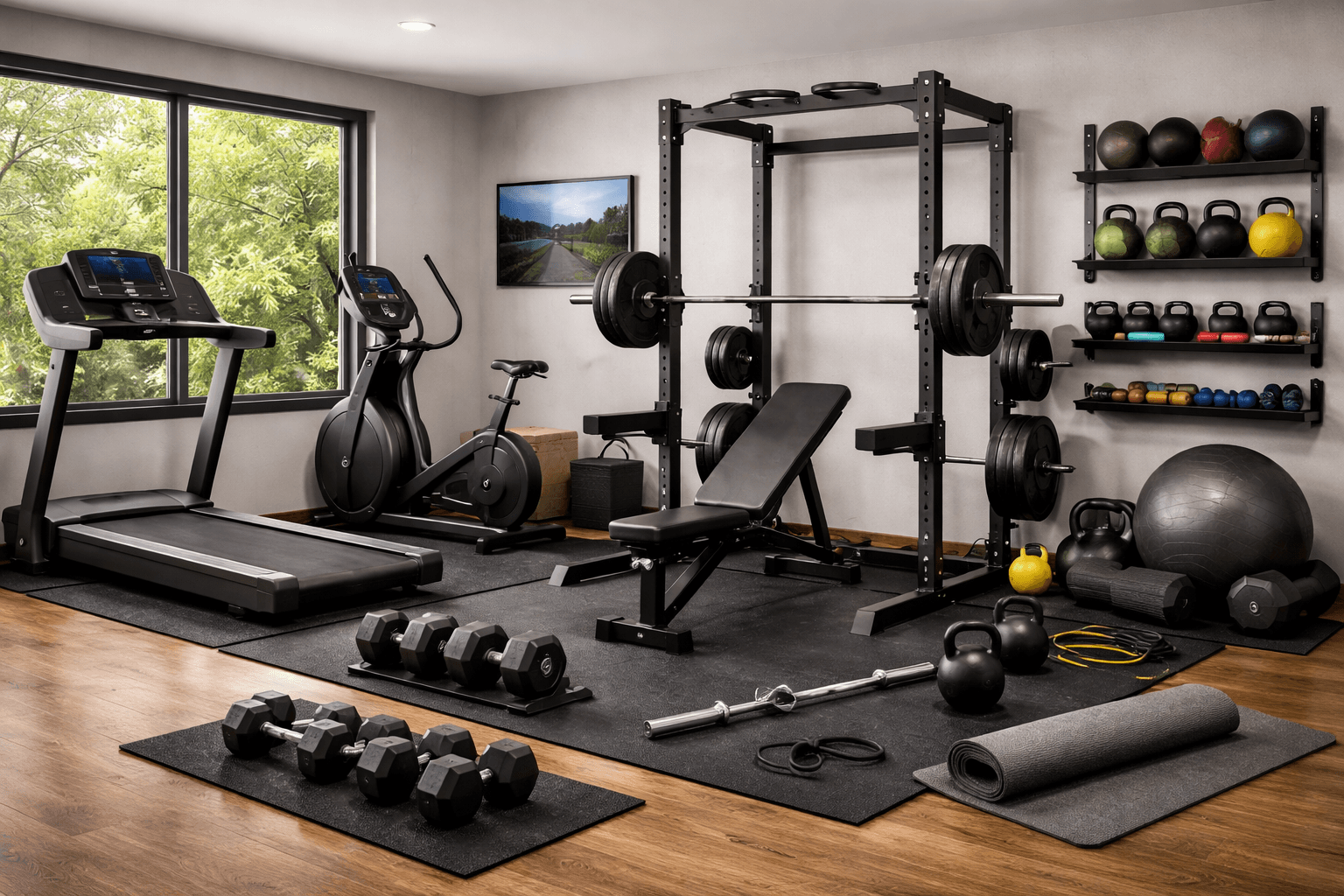
Gym Equipment Explained: A Beginner’s Guide to Cardio, Strength Training and Home Gym Essentials
Starting a fitness journey can feel confusing at first, especially when you are faced with rows of machines, racks, benches, and training tools that all seem to do something different. For many beginners, the hardest part is not motivation. It is simply understanding which gym equipment to use, what each machine targets, and how to build a routine that actually supports your goals.
That is why learning the basics matters. Once you understand the difference between cardio machines, resistance machines, free weights, and functional training tools, the gym becomes much less intimidating. You can train with more confidence, use equipment more effectively, and make better decisions whether you are working out in a commercial gym or building your own setup at home. Major UK gym guides break equipment into these same core categories, making them a practical structure for beginners to follow.
If you are new to training, it also helps to see how large gym operators explain equipment use. Resources from The Gym Group and PureGym’s guide to using gym equipment both emphasise the same starting point: begin with a simple understanding of the main machine types, then focus on safe form and consistency.
Cardio Machines: Building Fitness, Endurance and Calorie Burn
Cardio machines are designed to raise your heart rate over a sustained period. They are a popular choice for improving cardiovascular fitness, supporting fat loss goals, boosting stamina, and helping beginners ease into a regular exercise routine. According to PureGym and The Gym Group, common beginner-friendly cardio options include treadmills, stationary bikes, cross trainers, and rowing machines.
Treadmill
The treadmill remains one of the most widely used pieces of gym equipment for a reason. It is simple, effective, and suitable for walking, jogging, or running depending on your fitness level. Incline settings can also increase intensity and help target the lower body more aggressively. PureGym notes that treadmills can be used for walking, jogging, running, and hill-style training through incline adjustments, making them one of the most adaptable cardio machines for beginners and experienced users alike.
For home users, a treadmill can be a strong investment if your goal is convenience and year-round training without relying on outdoor conditions.
Exercise Bike
The exercise bike is another excellent entry point in gym equipment, especially for those who want a lower-impact cardio option. Cycling places less stress on the joints than running, while still helping to improve endurance and lower-body conditioning. PureGym specifically highlights the stationary bike as a low-impact option that can suit beginners and people with joint concerns.
This makes exercise bikes a smart choice for home gym equipment where ease of use, accessibility, and consistency matter more than complexity.
Rowing Machine
The rowing machine is often underrated by beginners, but it is one of the most efficient pieces of gym equipment available. It combines cardio with muscular engagement across the legs, back, shoulders, and arms. PureGym describes the rowing machine as equipment that works almost every muscle in the body while also delivering an effective cardio workout.
For people who want a machine that offers both conditioning and full-body training, a rowing machine can deliver excellent value in a home gym.
Cross Trainer
Sometimes called an elliptical, the cross trainer gives users a full-body cardio workout while staying low impact. It can be particularly useful for those who want to avoid the repeated impact of running but still want a smooth, continuous workout that feels challenging. PureGym highlights the cross trainer as a full-body, low-impact cardio machine that improves cardiovascular fitness.
Resistance Machines: A Great Starting Point for Strength Training
Resistance machines are often the best place for beginners to start strength training. Unlike free weights, they guide your movement through a fixed path, which can make exercises feel more controlled and less intimidating. PureGym notes that resistance machines are especially useful for beginners because they use a pre-determined movement pattern that makes it easier to train safely and effectively.
Leg Press
The leg press is ideal for developing lower-body strength. It mainly targets the quadriceps, hamstrings, and glutes, making it a staple for leg development. PureGym describes the leg press as a key machine for strengthening the legs, especially these muscle groups.
For beginners, it offers a more supported way to build strength before progressing to more technical free-weight leg exercises.
Chest Press
The chest press machine is a strong option for upper-body development, particularly for the chest and triceps. It also helps beginners become familiar with pressing mechanics before moving onto dumbbells or barbell bench press variations. PureGym highlights the chest press as a way to train the chest and triceps while often feeling less daunting than free-weight pressing.
Lat Pulldown and Upper Body Pulling Movements
Machines such as the lat pulldown or seated row help develop the back and support posture, pulling strength, and general upper-body balance. These machines are especially useful for beginners who are not yet ready for bodyweight pull-ups or more advanced pulling exercises.
Free Weights: Building Functional Strength and Progression
Free weights remain essential in any well-rounded training plan. They allow for a more natural range of motion, involve stabilising muscles, and support long-term strength progression. The Gym Group notes that free weights offer more freedom of movement and are useful for building core strength and balance.
Dumbbells
Dumbbells are one of the most versatile forms of strength training equipment. They can be used for presses, rows, lunges, curls, shoulder work, and countless other exercises. For beginners building a home setup, adjustable dumbbells are especially appealing because they save space while supporting progression over time. Pro-Line Direct’s recent home gym guide also highlights adjustable dumbbells as one of the smartest beginner investments for a home gym.
Barbells
Barbells are commonly used for foundational compound lifts such as squats, deadlifts, presses, and rows. They are especially useful for progressive overload, where the aim is to gradually increase resistance over time. For users serious about strength training equipment, barbells and racks are often central to a long-term setup.
Kettlebells
Kettlebells add variety through dynamic movements such as swings, carries, and presses. They can help improve strength, coordination, and conditioning at the same time, making them a valuable addition to both gym and home gym routines.
Functional Training Tools for Versatility and Mobility
Functional equipment helps bridge the gap between isolated training and more natural movement patterns. These tools can improve coordination, core control, stability, and overall movement quality.
Cable Machines
Cable machines are highly versatile because they allow resistance through multiple angles and movement patterns. They are useful for both beginners and advanced users who want controlled resistance with a wide variety of exercise options.
Resistance Bands
Resistance bands are simple, affordable, and effective. They work well for warm-ups, mobility sessions, rehabilitation work, and full workouts. They are also one of the easiest pieces of home gym equipment to store and use in small spaces.
Medicine Balls and Core Tools
Medicine balls, mats, and stability tools can add another layer to training by supporting core work, explosive movements, and mobility routines. The Gym Group also points to low-impact workout areas and tools such as exercise balls and mats as useful for flexibility, posture, and core strength.
Choosing the Right Gym Equipment for Your Goal
The best gym equipment is not always the most advanced or expensive. It is the gym equipment that matches your goal and gets used consistently.
If your focus is general fitness or calorie burn, cardio machines such as treadmills, bikes, rowers, and cross trainers make sense. If your goal is to build muscle and strength, resistance machines, benches, dumbbells, squat racks, and barbells are better long-term priorities. Pro-Line Direct’s gym equipment category reflects this same split between cardio machines and strength training gear, including treadmills, rowing machines, spin bikes, cross trainers, benches, and racks.
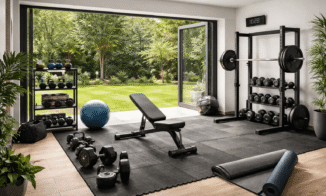
For anyone building a home setup, this is where choice becomes important. You do not need everything at once. A practical home gym can start with just a bench, dumbbells, bands, and one cardio machine, then grow over time as your training becomes more specific.
To explore options for your own setup, you can browse the full Pro Line Direct gym equipment collection or visit Pro Line Direct to see more home and fitness products.
Final Thoughts
Understanding gym equipment gives you a huge advantage when starting out. Instead of guessing which machines to use, you can build a routine around your actual goal, whether that is fat loss, endurance, strength, or overall fitness. Cardio machines help improve stamina and consistency, resistance machines make strength training more approachable, and free weights add versatility and long-term progression. Functional tools then help round everything out with mobility, stability, and practical movement.
The key is to keep things simple, start with equipment you will genuinely use, and focus on consistency rather than perfection. Whether you are training in a commercial gym or creating your own workout space at home, the right setup can make all the difference.
If you are ready to upgrade your training space, explore Pro Line Direct’s range of premium home gym equipment. From cardio machines to strength training essentials, we offer reliable gym equipment designed to help you train smarter, stay consistent, and build a gym setup that works for real life.