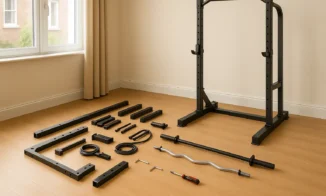

Thinking about setting up a home gym? You’re not alone. Across the UK, more people are weighing up whether investing in gym equipment at home makes more sense than paying ongoing gym membership fees. Rising subscription costs, busier lifestyles, and the convenience of training on your own terms have all pushed home fitness into the mainstream.
Here’s the thing. This isn’t just a lifestyle question. It’s a financial one, a space-planning one, and a motivation one. Let’s break it down properly so you can decide whether a home gym or a traditional gym membership is the better long-term move for you.
The real cost of a home gym in the UK
The biggest mental hurdle with a home gym is the upfront spend. Paying a lump sum for equipment feels heavier than a monthly direct debit, even when the maths often favours home setups.
In the UK, home gym costs usually fall into three clear tiers.
Entry-level setups tend to cost between £300 and £500. This typically covers adjustable dumbbells, basic weight plates, a bench, resistance bands, and a mat. It’s enough for strength training, conditioning, and general fitness without taking up much space.
Mid-range home gyms usually sit between £600 and £1,200. At this level, people often add larger items like a rowing machine, exercise bike, or treadmill, alongside better-quality free weights. This tier suits anyone training regularly who wants variety and progression.
High-end home gyms start at around £1,500 and can go significantly higher. These setups might include multi-gyms, power racks, premium cardio machines, and selectorised equipment designed for long-term use.
Now compare that with gym memberships. In many parts of the UK, annual gym fees land between £600 and £800, and that’s before extras like classes, joining fees, or peak-time access. Premium gyms can easily exceed £1,000 per year.
When does a home gym pay for itself?
This is where the numbers get interesting.
A basic home gym can pay for itself in under six months compared to an average gym membership. A mid-range setup often breaks even in just over a year. Even high-end home gyms typically reach a break-even point within two to three years, after which you’re effectively training for free.
What this really means is that a home gym becomes more cost-effective the longer you stick with it. Unlike gym memberships, your equipment doesn’t stop working if you miss a month.
Ongoing costs and hidden savings
Once your equipment is in place, ongoing costs are minimal. There’s no monthly fee, no travel costs, and no time lost commuting. Electricity use from cardio machines is negligible in real terms, and well-built equipment can last for many years with basic care.
There’s also an indirect saving people often overlook. When training at home is convenient, consistency tends to improve. Fewer skipped sessions means better results, which makes the investment feel worthwhile much sooner.
The benefits of training at home
Convenience is the obvious win. You can train whenever you want, whether that’s early mornings, late evenings, or squeezed between meetings. There’s no waiting for equipment, no peak-time crowds, and no pressure to rush.
Privacy matters too. For many people, training at home removes anxiety around busy gym floors, mirrors, and feeling judged. You can focus entirely on your workout, your music, and your pace.
Flexibility is another big advantage. Home gyms adapt to your goals. Strength training today, cardio tomorrow, mobility work at the weekend. You’re not limited by what’s free or what the gym layout prioritises.
If you’re exploring different setups, browsing a full range of gym equipment can help you visualise what fits your space and training style. Proline Direct’s selection of home gym equipment covers everything from compact strength gear to full-scale cardio solutions:
https://prolinedirect.co.uk/product-category/home/gym-equipment/
Cardio at home vs the gym
Cardio machines are often where people hesitate. Treadmills, bikes, and cross trainers feel like big purchases, but they’re also among the most used pieces of equipment in commercial gyms.
Having cardio equipment at home removes one of the biggest barriers to consistency: effort before effort. When your treadmill or exercise bike is a few steps away, you’re far more likely to use it regularly. Over time, that consistency delivers better cardiovascular health and weight management results than sporadic gym visits.
The downsides you should be honest about
Home gyms aren’t perfect. Space is the biggest limitation. Not everyone has a spare room, garage, or garden space to work with, and squeezing equipment into living areas can be frustrating if not planned carefully.
Motivation can also be an issue. Some people thrive on the atmosphere of a busy gym, the routine of travelling there, and the social accountability. Training alone at home requires discipline, especially during busy or stressful periods.
Safety is another consideration. Without staff or spotters, good technique and sensible progression matter more. This is manageable, but it’s something to take seriously, particularly for heavy lifting.
Is a home gym worth it for most people?
For many UK households, the answer is yes, especially if fitness is already part of your routine. Independent reviews consistently highlight that home gym equipment has improved in quality and accessibility, making it a practical long-term option rather than a compromise.
https://www.goodhousekeeping.com/uk/product-reviews/health-leisure/a46102896/home-gym-equipment/
There’s also growing recognition that convenience directly affects how often people exercise. Studies and workplace lifestyle discussions show that removing friction, such as travel time, increases adherence to fitness habits over time.
https://www.bbc.co.uk/worklife/article/20150413-is-a-home-gym-worth-it
Making the right decision for you
Before deciding, ask yourself a few simple questions. Do you have enough space to train comfortably? Are you likely to use the equipment at least three times a week? Would flexible access fit better around your work and family life than fixed gym hours?
If the answer is yes to most of these, a home gym isn’t just a luxury. It’s a practical, cost-effective investment in your health.
And if you decide to take the next step, building your setup gradually is often the smartest approach. Start with versatile equipment, add cardio if needed, and let your home gym evolve with your goals.
Ready to get started today? Check out our range of premium cardio machines.