
Showing 25–34 of 34 results
Sort by:
- Add to basket24hr Delivery

- Add to basket
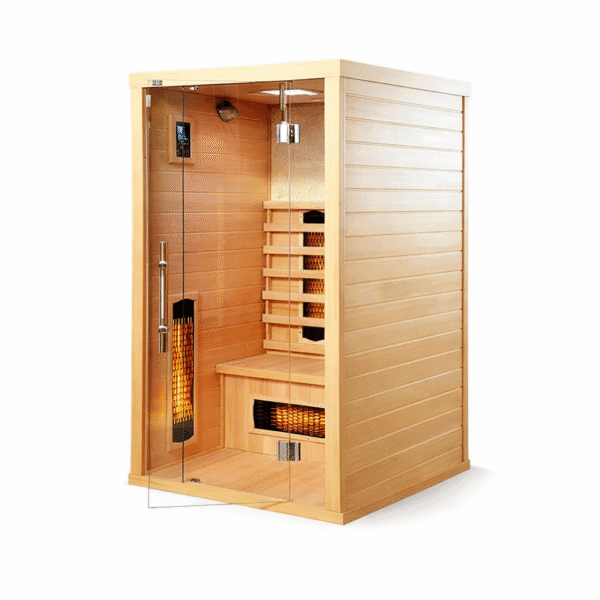
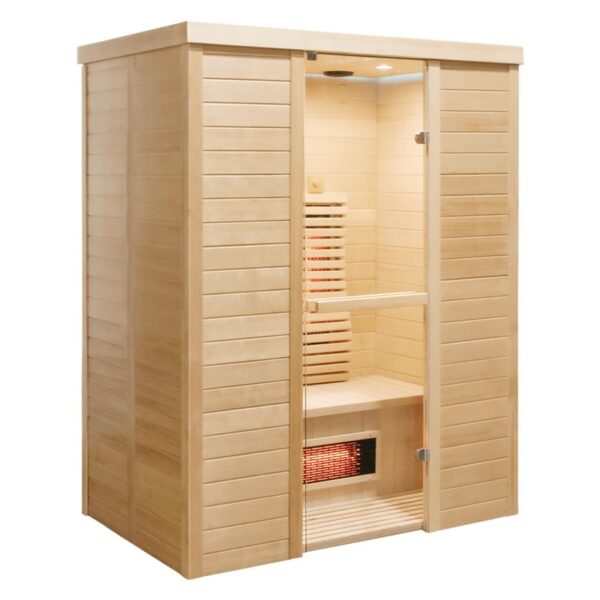
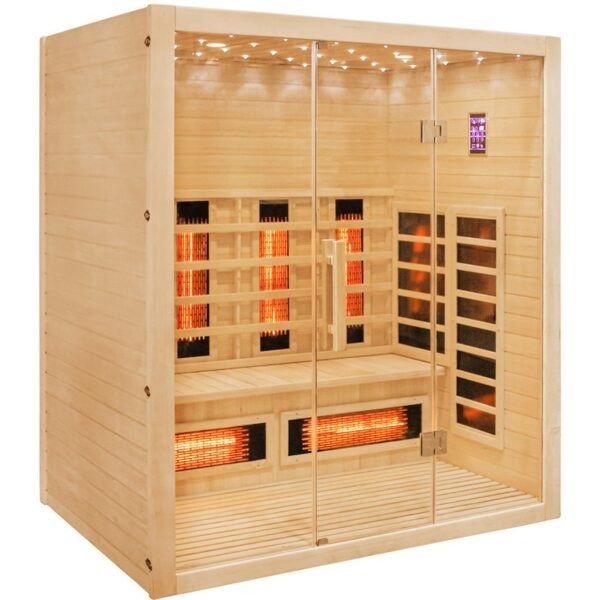
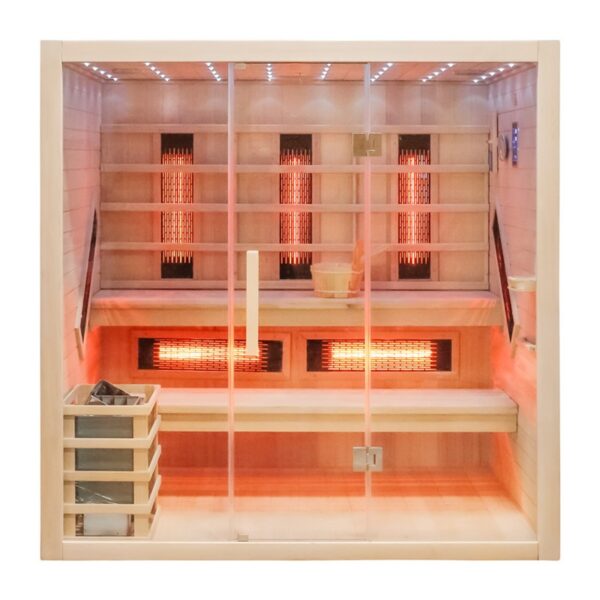
CenturaHeat 3 Person Red Infrared Light Sauna
£2,400.30Availability: In stock
3 Person Red Infrared Light Sauna
Size: 1500 x 1100 x 1900mm Capacity: 3 Person Rated Power: 2100W Heater: Infrared LightThe 3 Person Red Infrared Light Sauna is a spacious infrared light sauna crafted from premium Canadian Hemlock, designed to deliver gentle, targeted warmth for shared relaxation sessions. Built for modern interiors, it combines advanced controls with integrated audio and ambient lighting to create a refined home infrared sauna UK solution. Its balanced layout provides comfort for up to three users without overwhelming your space.
Electrical Information: This sauna is plug-and-play and can be plugged into a standard UK socket for instant use once assembled.
- Add to basket
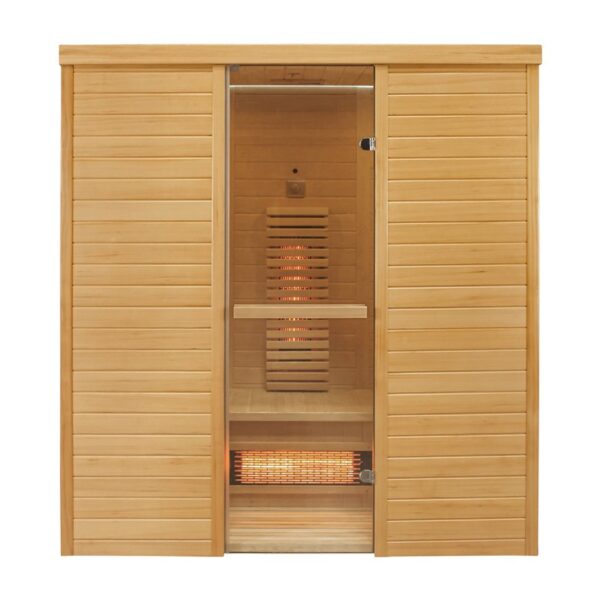
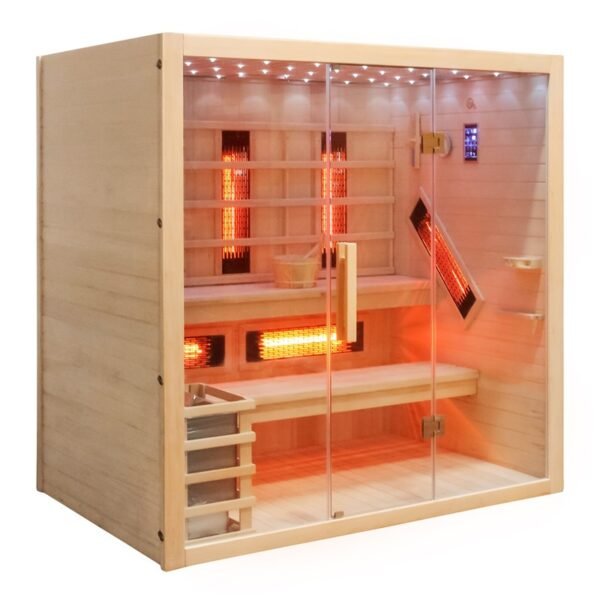
CenturaHeat 4 Person Infrared Indoor Sauna
£2,687.58Availability: In stock
4 Person Infrared Indoor Sauna
Size: 1750*1200*1900mm Capacity: 4 Person Rated Power: 2800W Heater: Infrared LightThe 4 Person Infrared Indoor Sauna is a spacious design built to deliver balanced warmth and modern comfort within a refined glass sauna room layout. Crafted from premium Canadian Hemlock, it offers consistent infrared performance and integrated smart controls for everyday use. Designed for shared relaxation, it provides a practical infrared sauna for home wellness spaces.
Electrical Information: This sauna is plug-and-play and can be plugged into a standard UK socket for instant use once assembled.
- Add to basket
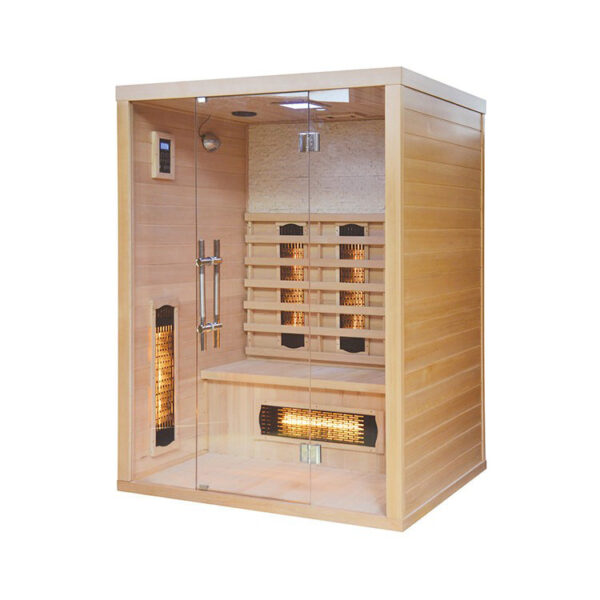
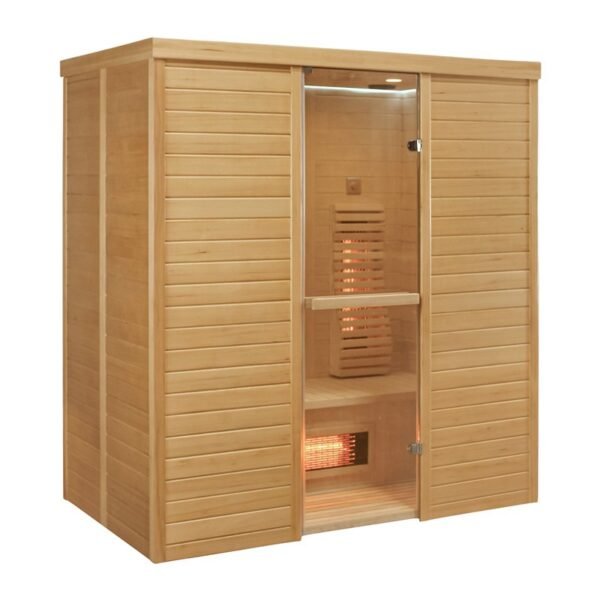
CenturaHeat 2 Person Full Spectrum Infrared Indoor Sauna
£2,484.72Availability: In stock
CenturaHeat 2 Person Full Spectrum Infrared Indoor Sauna
Size (Width x Depth x Height): 1600 x 1100 x 2040mm Capacity: 2 Person Rated Power: 2200W Amps: 15A Heater: Infrared Carbon Fibre + Infrared Light - Add to basket
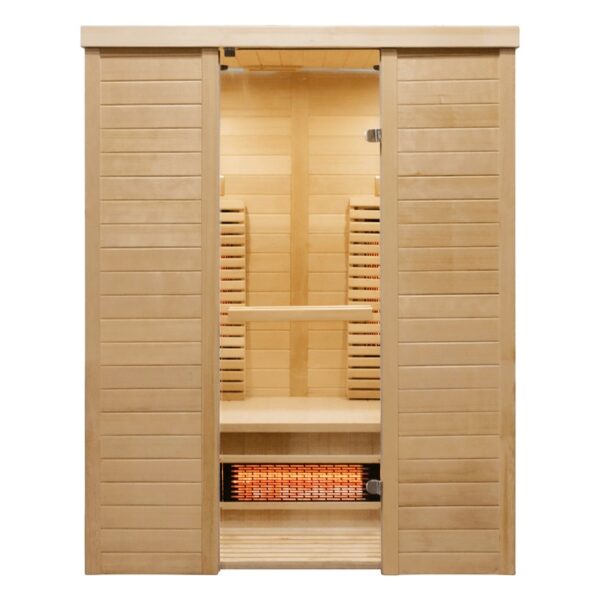
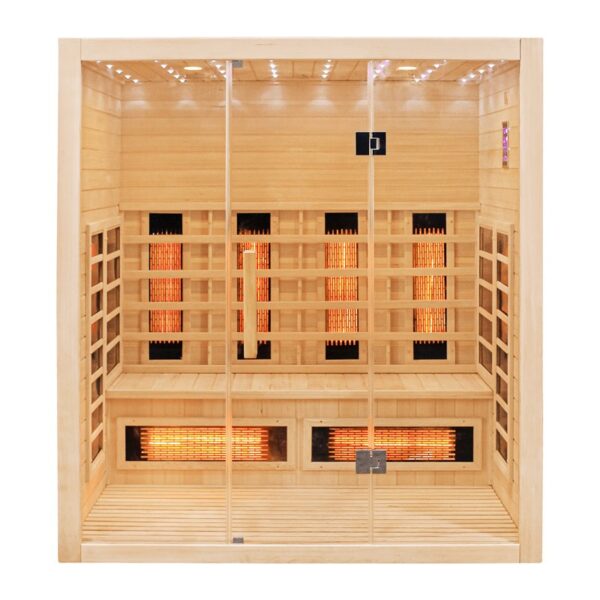
CenturaHeat 3 Person Full Spectrum Infrared Indoor Sauna
£2,714.04Availability: In stock
CenturaHeat 3 Person Full Spectrum Infrared Indoor Sauna
Size (Width x Depth x Height): 1900 x 1100 x 2040mm Capacity: 3 Person Rated Power: 2700W Amps: 15A Heater: Infrared Carbon Fibre + Infrared Light - Add to basket
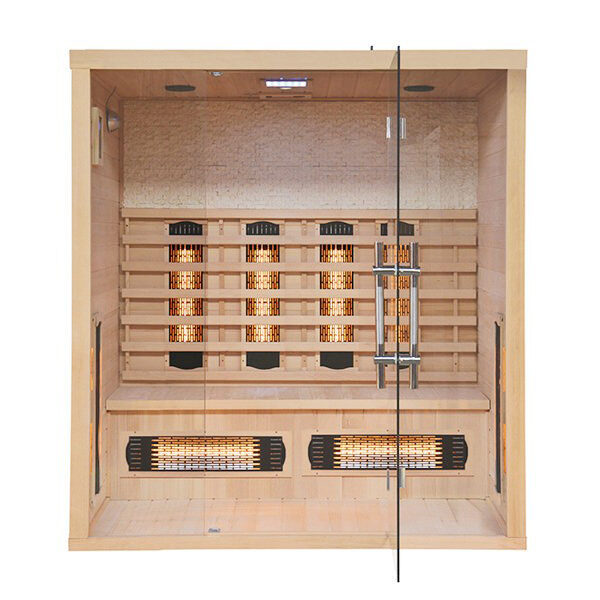
CenturaHeat 4 Person Full Spectrum Infrared Indoor Sauna
£2,656.08Availability: In stock
CenturaHeat 4 Person Full Spectrum Infrared Indoor Sauna
Size (Width x Depth x Height): 1800 x 1200 x 2000mm Capacity: 4 Person Rated Power: 3400W Amps: 20A Heater: Infrared Carbon Fibre + Infrared Light - 24hr DeliveryAdd to basket
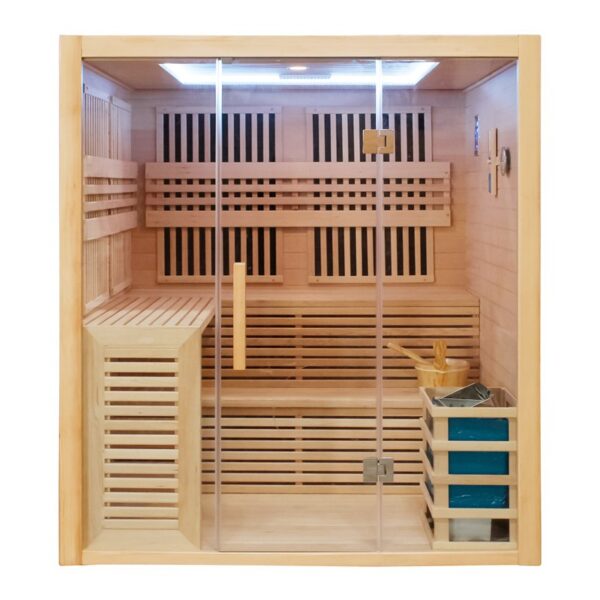
CenturaHeat 4 Person Combination Bio Indoor Sauna – 6100W
£3,744.97Availability: In stock
CenturaHeat 4 Person Combination Bio Indoor Sauna
Size (Width x Depth x Height): 1800 x 1800 x 2000mm Capacity: 4 Person Rated Power: 6100W (4500W Stove + 1600W Infrared) Amps: 25A Stove + 13A Infrared Heater: Infrared Carbon Fibre + Sauna Stove
- 24hr DeliveryAdd to basket
CenturaHeat 5-8 Person Combination Bio Indoor Sauna – 6950W
£3,972.28Availability: In stock
CenturaHeat 5-8 Person Combination Bio Indoor Sauna
Size (Width x Depth x Height): 2000 x 1500 x 2000mm Capacity: 5-8 Person Rated Power: 6950W Amps: 25A Stove + 13A Infrared Heater: Infrared Light + Sauna Stove - 24hr DeliverySale-15% OFFAdd to basket
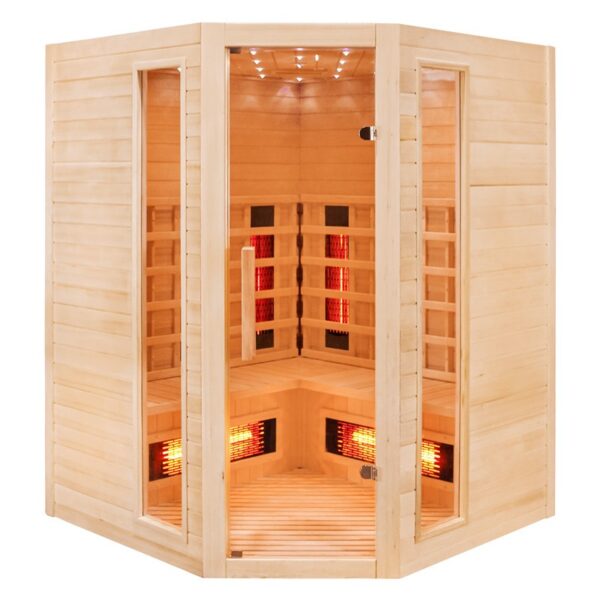
CenturaHeat 2-3 Person Diamond Corner Sauna
Original price was: £2,428.02.£2,063.82Current price is: £2,063.82.Availability: In stock
CenturaHeat 2-3 Person Diamond Corner Sauna
Size: 530*900*1200*1900mm Capacity: 2-3 Person Rated Power: 2325W Amps: 13A Heater: Infrared Carbon Fibre - Sale-10% OFFAdd to basket
CenturaHeat 4-5 Person Diamond Corner Sauna – 3500W
Original price was: £2,458.26.£2,212.43Current price is: £2,212.43.Availability: In stock
CenturaHeat 4-5 Person Diamond Corner Sauna
Size: 1000 x 710 x 1500 x 1900mm Capacity: 4-5 Person Rated Power: 3500W Amps: 20A Heater: Infrared Light + Carbon Fibre











What is an indoor sauna?
An indoor sauna is a purpose-built heated cabin designed for home use, typically installed in a spare room, garage, garden room, or a dedicated wellness space. Indoor saunas are built to retain heat efficiently and provide a consistent session experience without needing external weather protection.
Are indoor saunas better as infrared or traditional (steam)?
It depends on the experience you want. Infrared indoor saunas heat your body using infrared panels and generally run at lower temperatures, which many people find more comfortable for longer sessions. Traditional indoor saunas heat the air using a sauna heater and stones for a classic Finnish feel, higher temperatures, and a more intense “hot room” session.
Which type of indoor sauna is most efficient to run?
In many homes, infrared models can be cheaper to run because they typically use lower power and reach usable heat quickly. Traditional heaters can use more power, especially on larger cabins, but they give you higher air temperatures and a more traditional sauna feel.
How much does an indoor sauna cost to run in the UK?
Running costs depend on the sauna’s rated power (kW), session length, and your electricity tariff. A simple way to estimate is:
kW rating × hours used × unit rate (p/kWh)
Example: a 3kW sauna used for 1 hour at 30p/kWh costs about 90p per session. Larger traditional models with higher kW ratings will cost more per session.
Do I need an electrician for an indoor sauna?
Many indoor saunas plug into a standard UK socket, but higher-powered models may require a dedicated circuit and professional installation. Always check the product’s power rating and electrical requirements before purchase. If you’re unsure, it’s worth having an electrician confirm your home’s suitability before installation.
Where can you install an indoor sauna in a UK home?
Common installation spots include a spare bedroom, home gym, garage, insulated outbuilding, or a dedicated wellness room. The best location is dry, level, and has enough clearance for access and ventilation. If you’re installing in a garage or garden room, insulation and stable room temperature help performance.
Do indoor saunas need ventilation?
Yes. Good ventilation helps keep the room comfortable, protects nearby materials, and supports sauna performance. You usually don’t need complex ducting, but you do want airflow in the surrounding space and sensible clearance around the cabin. Always follow the manufacturer’s guidance for spacing and ventilation.
Can an indoor sauna be installed upstairs?
Sometimes, yes, but you need to consider weight, access, and safe assembly. Some cabins arrive in large panels, so stair width and turns matter. Also consider the floor’s load capacity, especially for larger multi-person saunas. When in doubt, confirm with a qualified professional.
How much space do I need for an indoor sauna?
Space needs depend on capacity. As a rough guide:
1–2 person: ideal for smaller rooms and compact setups
2–4 person: popular for couples and family use
4+ person: best for larger homes or dedicated wellness rooms
You’ll also want clearance for assembly, door swing, and airflow around the cabin.
What ceiling height do I need?
Most indoor saunas are designed for standard UK ceiling heights, but you should always check the external height of the cabin and allow room for safe positioning and airflow. If you’re installing in a loft conversion or room with sloped ceilings, measure carefully.
What’s the difference between “traditional steam” and a proper steam room?
Traditional sauna heaters can create steam bursts when water is ladled onto stones, but they’re still saunas. A steam room is a different system entirely, using a steam generator and a sealed, moisture-resistant enclosure. If you want high-humidity steam-room conditions, you need the correct type of product for that.
How long does an indoor sauna take to heat up?
It varies by heater type and room temperature. Infrared models often feel ready sooner because the heat is directed into your body, while traditional saunas typically take longer to bring the whole cabin air up to temperature. In colder rooms, warm-up times can increase.
How long should a sauna session be?
Most people aim for around 10–20 minutes per session, but it depends on your comfort and experience level. Start shorter, drink water, and listen to your body. If you’re new to sauna use, build up gradually rather than trying to do long sessions immediately.
Are indoor saunas safe to use every day?
For many people, sauna use can be part of a regular wellness routine, but suitability depends on personal health. If you have a medical condition, are pregnant, or take medication that affects heat tolerance, it’s best to check with a clinician before frequent sauna use.
Are indoor saunas good for muscle recovery?
Many users choose saunas for relaxation and post-workout recovery because heat can feel soothing on tired muscles and can support wind-down after training. If your goal is recovery, consider placing your sauna near your home gym area and building sauna sessions into your rest days.
Which indoor sauna size should I choose?
Choose based on who will actually use it most often and where it will go. A 2-person model is ideal for regular daily use in smaller spaces, while a 3–4 person model suits families or those who want extra room to stretch out. If you’re between sizes, the bigger cabin often feels more comfortable long-term, provided your space and electrics allow it.
What materials should I look for in an indoor sauna?
Look for quality sauna-grade timber, good insulation, well-fitted panels, and durable hinges and handles. For traditional saunas, the heater and control system quality matter a lot. For infrared, check the type of heating panels used and their placement for full-body coverage.
What features actually matter when buying an indoor sauna?
The features that tend to make the biggest difference are:
heater type and power rating
cabin size and internal layout
quality of timber and build
control system and ease of use
lighting and comfort details (benches, backrests)
What’s the best way to maintain an indoor sauna?
Wipe down benches after use, keep the space ventilated, and avoid leaving damp towels inside. For traditional saunas, follow any guidance on heater care and stone checks. A clean, dry routine is usually enough for long-term upkeep.
Will an indoor sauna increase humidity in my home?
Traditional saunas can add some humidity if you use water on stones, but indoor saunas are designed to contain heat and operate safely in homes when installed correctly. Good ventilation in the surrounding room helps keep the wider space comfortable.
Can I put an indoor sauna in a garden room or outbuilding?
Yes, as long as it’s dry, insulated, and has appropriate power supply. Many people use saunas in garden rooms for a dedicated wellness setup, but performance is best when the surrounding space isn’t freezing cold in winter.
How do I choose the right indoor sauna for my budget?
Focus on the parts that affect performance and longevity: build quality, heater quality, and the right size for your needs. If you’re comparing models, check the power rating, internal layout, and what’s included as standard rather than paying extra for minor add-ons.
What should I check before ordering?
Before you order, confirm:
external dimensions vs your available space
access route into the room (doors, stairs, tight turns)
power requirements and whether you need an electrician
ventilation and clearance requirements
whether you want infrared or traditional heating