How Much Does a New Domestic Heating Oil Tank Cost in the UK?
If your current tank is aging, damaged, or no longer suitable for its location, one of the first questions you will ask is simple: how much does a new oil tank cost in the UK? For most households, the total price depends on far more than the tank alone. The final figure can include the tank itself, installation labour, base preparation, pipework changes, and old tank removal. In many cases, homeowners can expect a new domestic oil tank installation to cost between £1,200 and £3,500 or more once everything is included.
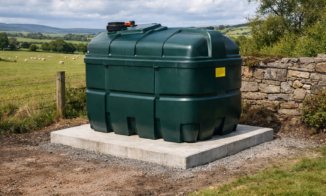
Choosing the right tank is the biggest factor in the overall cost. Single skin oil tanks are usually the cheaper option upfront, but they are not suitable for every property or installation. Bunded oil tanks have an extra protective outer layer designed to contain leaks, which is why they are often preferred for domestic replacements where extra environmental protection is needed. Industry guidance and recent UK oil tank cost summaries show single skin models often starting lower, while bunded models typically sit higher due to the extra construction and broader suitability for replacement projects.
Typical New Oil Tank Cost Breakdown
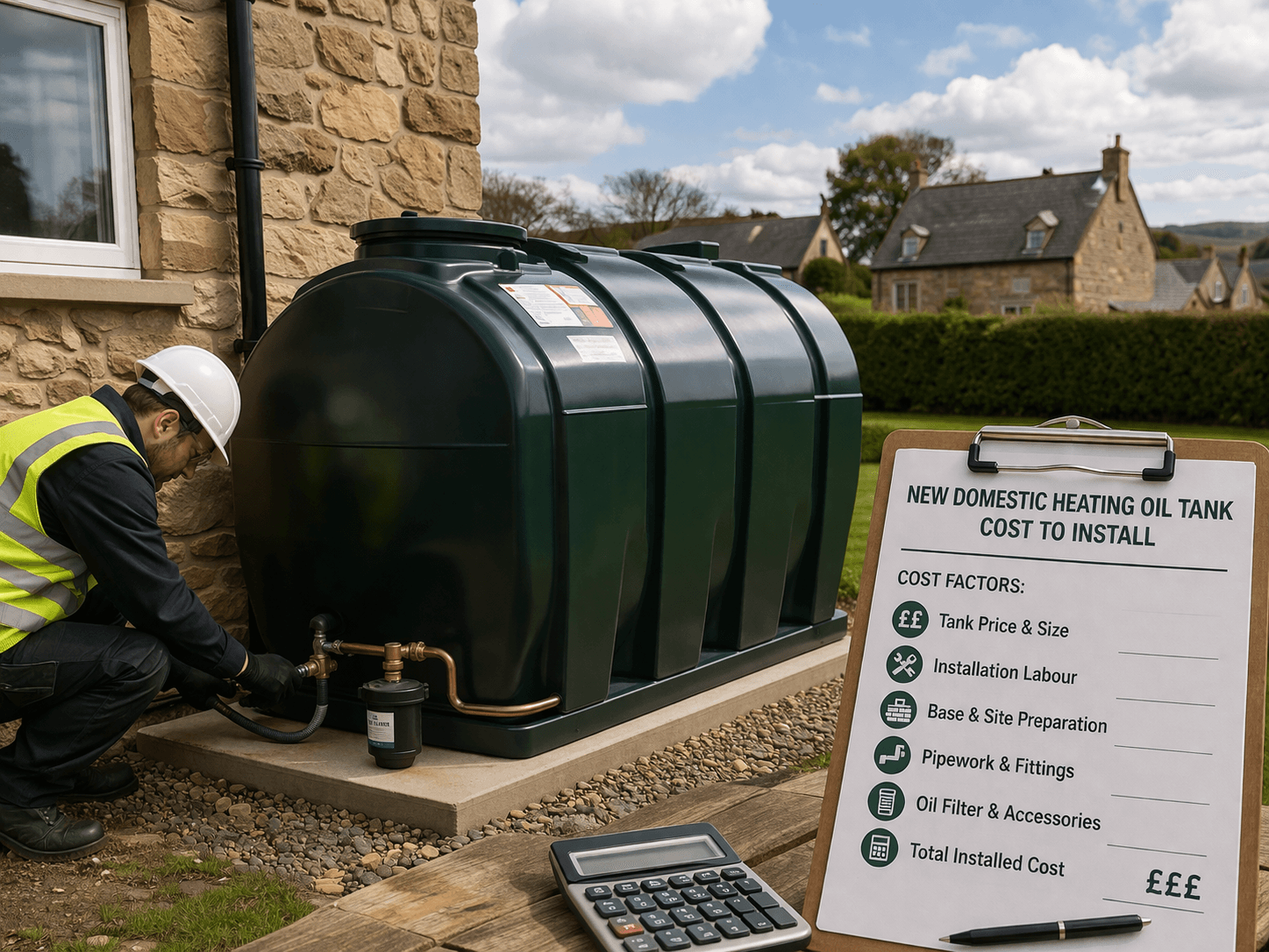
A realistic budget should include more than the tank price shown on a product page. The tank itself may account for the largest share of the spend, but professional fitting matters just as much. Installation labour commonly varies depending on access, complexity, and whether the installer needs to upgrade parts of the existing system. On top of that, many homes also need a suitable base, basic pipework adjustments, or disposal of the old tank. That is why the difference between a straightforward replacement and a more involved project can be significant.
Here’s what usually affects the final cost:
1. Tank Type
A bunded model usually costs more than a single skin alternative, but it can be the more practical choice for many domestic installations. OFTEC notes that bunded tanks offer added protection, and current guidance makes them especially relevant where there is increased pollution risk or a more sensitive site.
2. Tank Size
Larger tanks generally cost more, both to buy and to install. Capacity should match the property’s heating demand, available space, and the site layout. Oversizing can add unnecessary cost, while undersizing can create refilling inconvenience.
3. Base and Ground Preparation
A new tank needs a stable, level, non-combustible base where required by the installation conditions. If the old base is cracked, undersized, or unsuitable for the replacement tank, additional groundwork can quickly push the price up.
4. Pipework and Accessories
If your new tank sits in a different position, or your existing setup needs bringing up to standard, there may be extra costs for oil lines, valves, gauges, filters, or fire protection measures. Those details can make a noticeable difference to the installation quote.
5. Old Tank Removal
Replacing an old tank often includes draining remaining oil, disconnecting the tank safely, removing it from site, and disposing of it correctly. This is another reason replacement jobs are often more expensive than buyers initially expect.
Do You Need a Bunded Oil Tank?
This is where many homeowners get confused. A bunded tank is not automatically required in every domestic situation, but new or replacement oil storage at a home must meet building regulations, and bunding is required in a range of higher-risk domestic installations. OFTEC and local authority guidance indicate bunding is especially relevant where the tank is near watercourses, drains, buildings, boundaries, or where a spill could cause pollution. That is why a professional site assessment matters before you buy.
Why Professional Installation Matters
Cutting corners on a domestic oil tank replacement can be expensive in the long run. GOV.UK says domestic installations must comply with building regulations, while OFTEC recommends using a registered technician for new or replacement tanks. Certas Energy also warns that a leak or spill from a damaged tank can lead to major clean-up costs, which is one reason homeowners often choose safer, better-specified replacement systems instead of going for the lowest upfront price alone.
How to Choose the Right Tank for Your Property
The best domestic heating oil tank for your home will depend on your available space, your current setup, and the risk profile of the installation area. If you are replacing an older unit, it usually makes sense to look at long-term value rather than headline price alone. A better-suited tank can reduce future issues, improve peace of mind, and help ensure the installation is fit for purpose from day one. For homeowners comparing options, browsing a specialist range of oil tanks can help narrow down sizes, materials, and styles before requesting a quote.
If you want to explore replacement options, take a look at the Pro Line Direct homepage and browse the oil tank range here. For extra reading, the cost guides from Certas Energy and OTP Energy are useful references when comparing typical price expectations.
Final Thoughts
For most UK homes, the answer to “how much does a new oil tank cost?” is not one flat number. A simple like-for-like swap may be relatively straightforward, while a more complex replacement involving access issues, a new base, upgraded pipework, or relocation can cost much more. As a realistic guide, £1,200 to £3,500+ fully installed is a sensible starting range for many domestic replacements in 2026, but the exact figure depends on your property and the tank you choose.