Bunded Oil Tanks Explained: A Practical UK Guide for Homeowners
If you rely on oil to heat your home, choosing the right storage tank is a big decision. It affects safety, compliance, long-term durability, and how confidently you can manage your fuel supply through the year. For many UK households, bunded oil tanks are now the preferred choice because they offer a more secure way to store heating oil and help reduce the risk of leaks, spills, and costly disruption.
Whether you are replacing an older tank, planning a new installation, or simply trying to understand your options, it helps to know what makes a bunded oil tank different and why it matters.
What is a bunded oil tank?
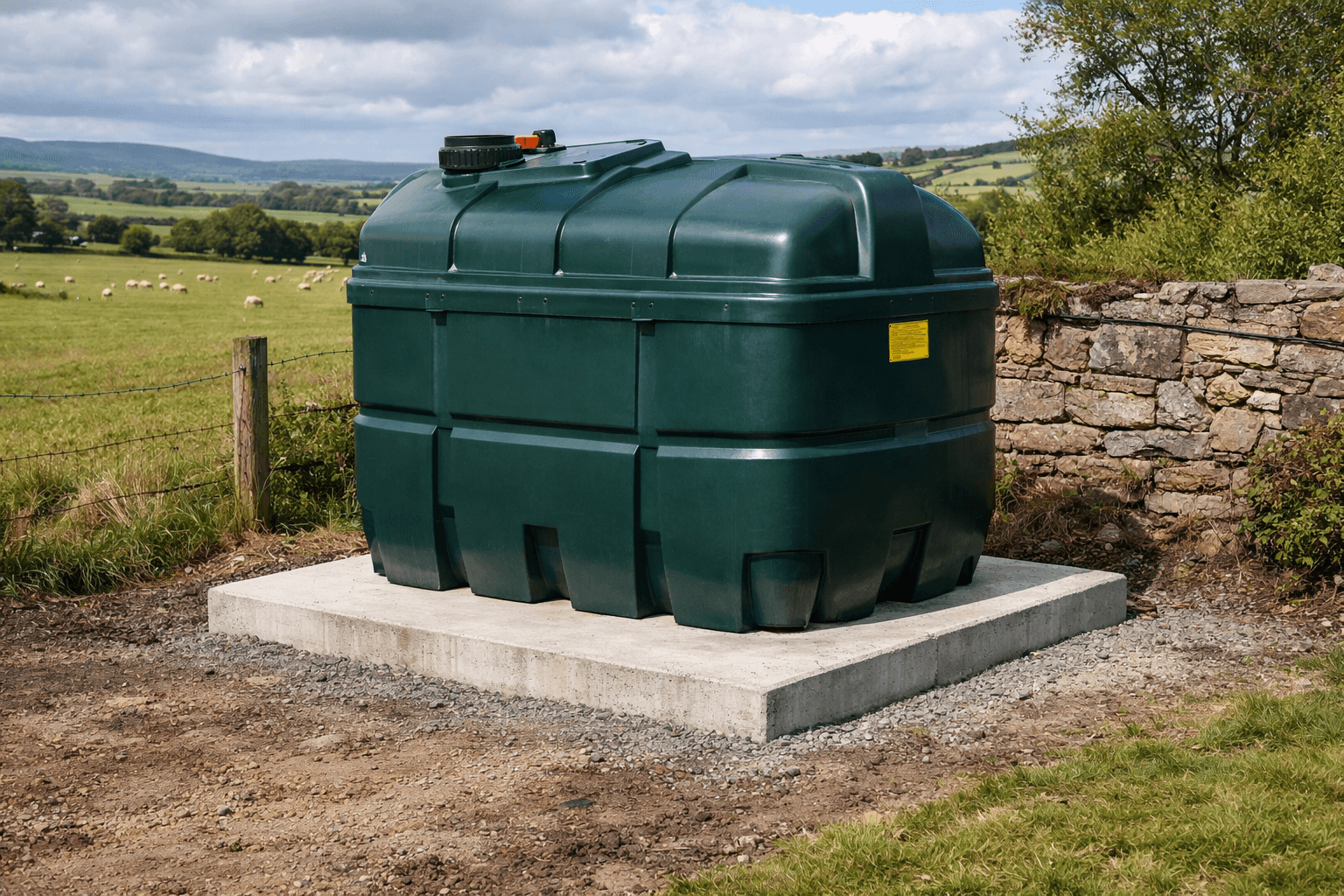
A bunded oil tank is a tank with two layers. The inner tank stores the oil, while the outer tank acts as a protective secondary layer designed to contain fuel if the inner tank fails. That extra layer is what makes a bunded system so valuable.
This design is widely seen as the safer option for domestic oil storage because it provides a level of spill protection that a single skin tank cannot. It also gives homeowners greater peace of mind where the location of the tank, the size of the tank, or the surrounding environment makes leak prevention especially important.
If you are browsing available options, Pro-Line Direct offers a range of bunded oil tanks suitable for different property types and storage requirements.
Why bunded oil tanks are so popular
The main reason bunded oil tanks are popular is simple: they offer better protection. A leak from a damaged or ageing tank can create major problems for a property owner. Cleaning up contamination, repairing surfaces, and replacing lost fuel can become expensive very quickly.
A bunded tank helps reduce that risk. For many homeowners, that means a more future-proof solution and a better standard of oil storage overall.
There is also a compliance angle. Government guidance explains that bunding, or secondary containment, is required in many oil storage situations, and domestic rules can also require a bund depending on factors such as capacity and installation risk. You can read the official government guidance here: storing oil at a home or business.
Are bunded oil tanks required for homes?
This is one of the most common questions homeowners ask.
For businesses, the rules are stricter and fixed tanks must be bunded. For domestic properties, the answer depends on the installation and surrounding risk factors. GOV.UK notes that a home oil tank will need a bund in certain circumstances, including when the tank can hold more than 2,500 litres.
Even where a bunded tank is not strictly required, many people still choose one because it is considered the safer and more modern option. CPS Fuels also states that building regulations advise that all new oil tanks installed are bunded, which reflects the direction of best practice in the market.
Domestic oil tank choice: what should homeowners look for?
When comparing a domestic oil tank, it is worth thinking beyond price alone. The right choice usually comes down to a mix of capacity, build quality, site layout, and long-term convenience.
A few practical things to consider include:
Tank size
The right capacity depends on your usage and delivery habits. Some households prefer a larger tank so they can order oil less often or buy at more favourable times of year. Others need a slimmer or more compact model because of space limitations.
Tank material
Heating oil tanks are commonly available in plastic or steel. Both have advantages, and the best option depends on where the tank will sit, the level of exposure, and the type of durability you want. CPS Fuels highlights that both plastic and metal tanks have their own pros and cons, which is why matching the tank to the site is so important.
Installation location
The position of your oil storage tank matters. Access for delivery, safe distances from buildings and boundaries, and whether the tank sits in a higher-risk location can all influence which type of tank is most suitable.
Future compliance and peace of mind
Many homeowners now choose a bunded model because it better aligns with current expectations around safe oil storage. Even if you are replacing an old single skin tank, upgrading can be a smart long-term move.
Why replacing an older tank can be worth it
Older tanks may still be functioning, but age, weather exposure, and general wear can all increase the chance of problems over time. If your current home heating oil tank shows signs of deterioration, instability, corrosion, or outdated design, replacement is often the safer route.
A new bunded model can help improve confidence in your heating setup and reduce the chance of an unexpected issue during colder months when your fuel supply matters most.
For homeowners comparing products, the wider Pro-Line Direct oil tank range is a good starting point for reviewing available sizes and styles.
Heating oil tank regulations matter, but so does practicality
Understanding heating oil tank regulations is important, but real-world practicality matters too. The right tank should not only support compliance and safer storage, it should also make sense for your property, budget, and daily use.
That is why many buyers now focus on tanks that offer a strong balance of protection, usability, and long-term value. In most cases, a bunded tank is the option that ticks the most boxes.
If you want extra background reading, this domestic heating oil tank FAQ guide gives a useful overview of common questions homeowners ask before replacing or upgrading a tank.
Final thoughts
Choosing the right heating oil tank is about more than storage alone. It is about protecting your property, reducing environmental risk, and making sure your fuel setup is fit for modern expectations. For many UK homeowners, bunded oil tanks offer the most sensible balance of safety, compliance, and long-term confidence.
If you are planning to replace an ageing tank or want a more secure storage solution for your property, explore the full bunded oil tank range at Pro-Line Direct. A better tank setup now can help you avoid bigger problems later.